Dead Branch Removal in Allentown, PA
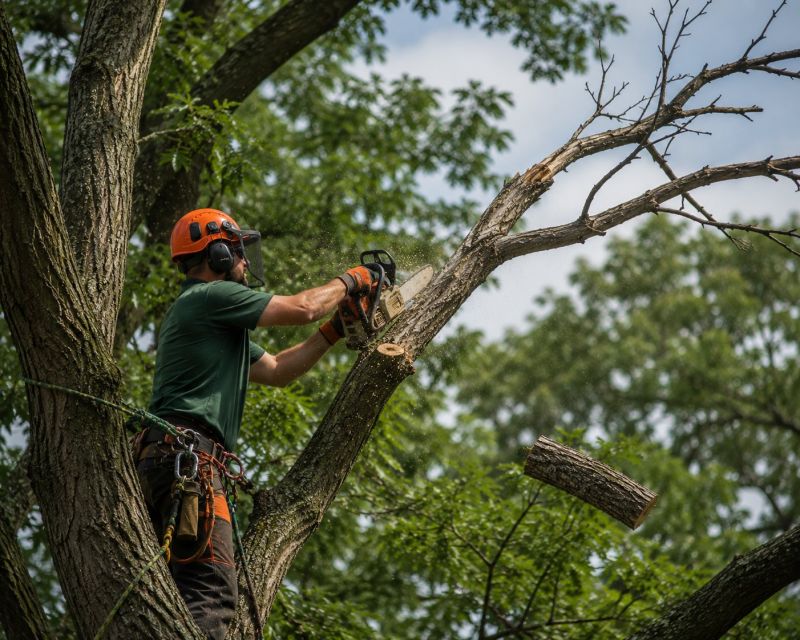
Dead branch removal services involve the careful trimming and removal of dead or dying branches from trees on residential properties. This process helps improve the overall health and appearance of trees, reduces the risk of falling limbs, and minimizes potential damage to property during storms or high winds. Projects typically include removing hazardous branches that pose safety concerns, thinning out overgrown sections, or clearing branches that interfere with power lines, buildings, or other structures. Property owners interested in this service should consider the size and location of the branches, the health of the tree, and any local regulations or restrictions that may apply.
Before requesting dead branch removal, homeowners usually want to understand the scope of the work, including which branches will be removed and how the process might impact the tree’s health. It’s also helpful to know if any permits are required for larger or more invasive cuts, and to consider the overall condition of the tree to ensure that removal does not compromise its stability. Clarifying these details can support a safe and effective process, helping property owners maintain a safe, attractive landscape.
Many property owners in Allentown, PA look into Dead Branch Removal for repairs, replacements, upgrades, and appearance-related improvements.
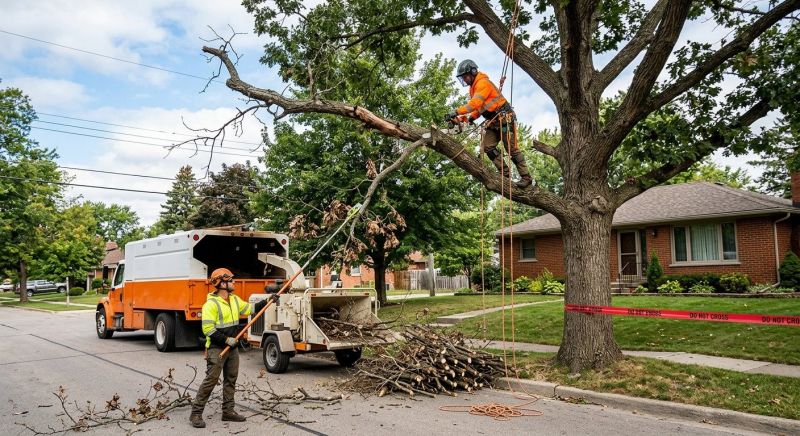
Safety And Property Protection
Removing dead branches reduces the risk of falling and property damage during storms.
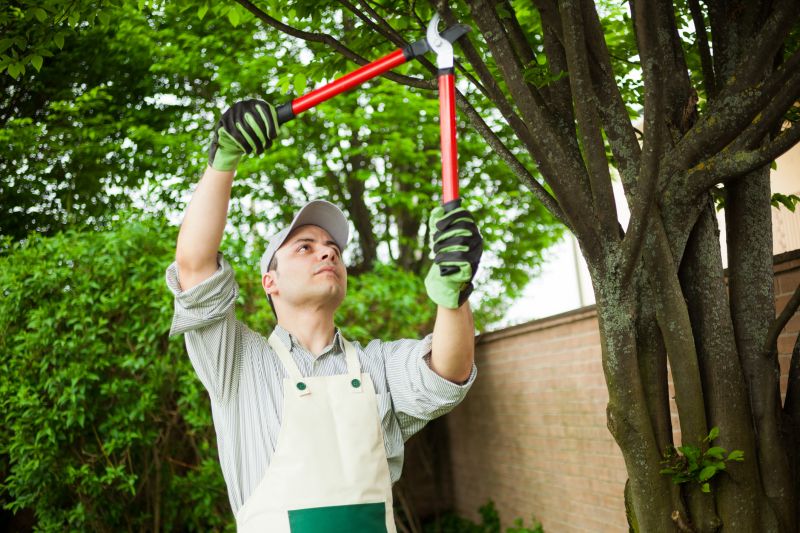
Tree Health And Maintenance
Dead branch removal helps maintain the overall health and appearance of trees on your property.
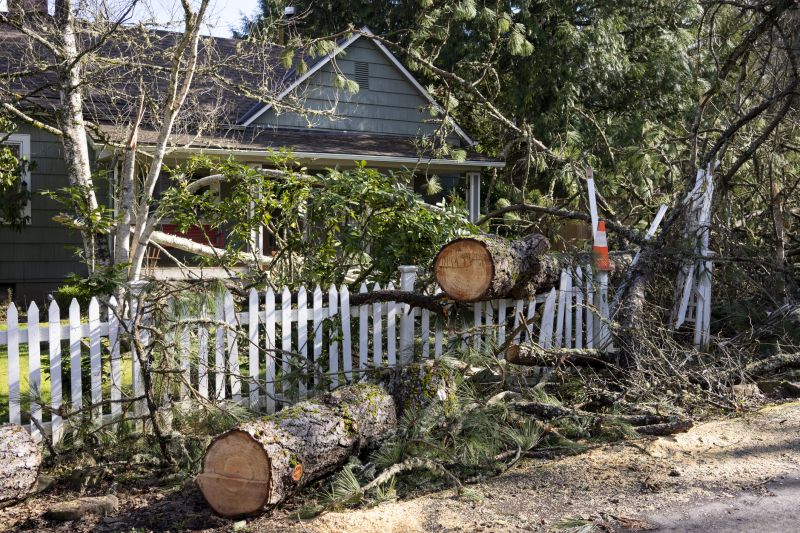
Aesthetic Improvement
Clearing away dead branches enhances the visual appeal of your landscape and outdoor space.
Dead Branch Removal in Allentown, PA
Dead branch removal services involve the careful trimming and removal of dead or dying branches from trees on residential properties. This process helps improve the overall health and appearance of trees, reduces the risk of falling limbs, and minimizes potential damage to property during storms or high winds. Projects typically include removing hazardous branches that pose safety concerns, thinning out overgrown sections, or clearing branches that interfere with power lines, buildings, or other structures. Property owners interested in this service should consider the size and location of the branches, the health of the tree, and any local regulations or restrictions that may apply.
Before requesting dead branch removal, homeowners usually want to understand the scope of the work, including which branches will be removed and how the process might impact the tree’s health. It’s also helpful to know if any permits are required for larger or more invasive cuts, and to consider the overall condition of the tree to ensure that removal does not compromise its stability. Clarifying these details can support a safe and effective process, helping property owners maintain a safe, attractive landscape.
Many property owners in Allentown, PA look into Dead Branch Removal for repairs, replacements, upgrades, and appearance-related improvements.
Common Dead Branch Removal Jobs
Dead tree removal - safely eliminates hazardous trees that pose a risk to property and safety.
Broken branch removal - clears damaged or unstable branches to prevent damage during storms.
Overhanging branch trimming - reduces the weight and reach of branches near roofs and power lines.
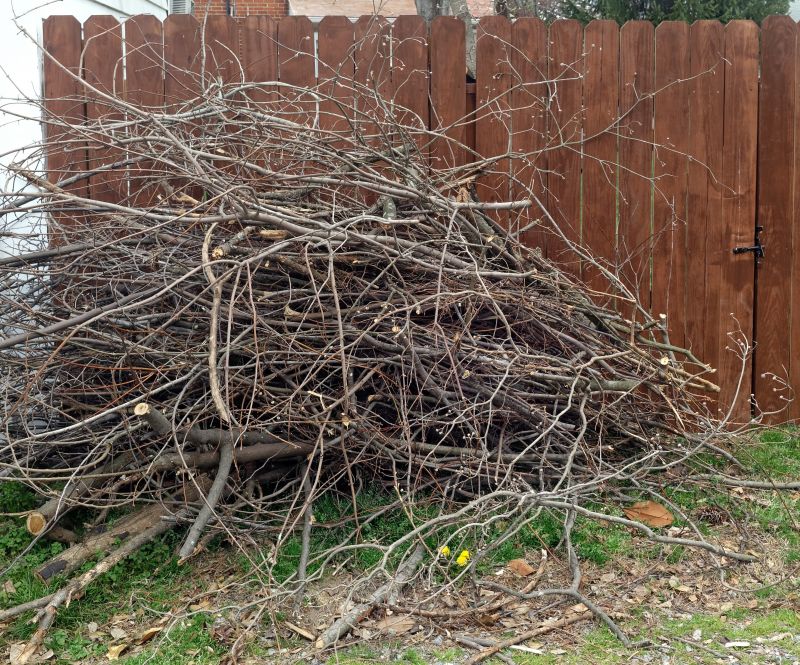
Storm-damaged branch cleanup - removes fallen or broken branches after severe weather events.
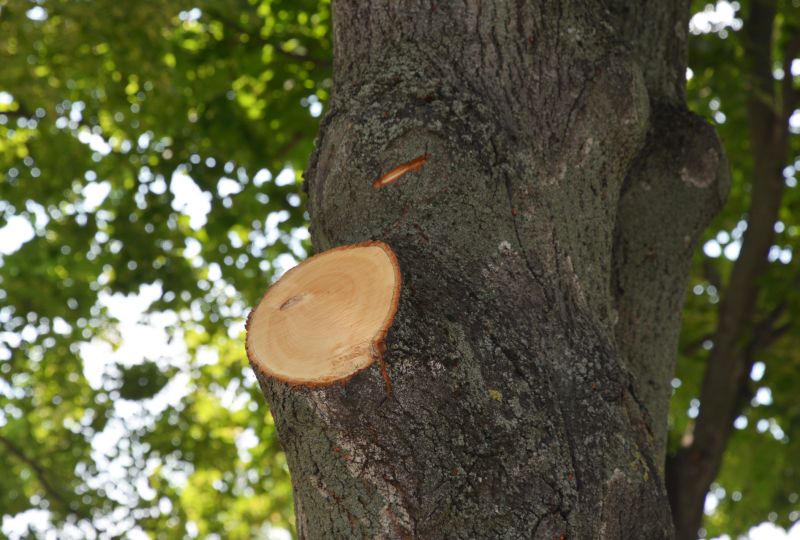
Selective deadwood removal - improves tree health by removing dead or decaying wood.
Emergency branch removal - provides quick response for hazardous branches threatening property or safety.
Dead Branch Removal Questions
Why should dead branches be removed? Removing dead branches helps prevent potential damage to the tree and nearby property caused by falling limbs.
How can dead branches affect trees? Dead branches can weaken the overall health of a tree and may lead to disease or pest problems if not removed.
When is the best time to remove dead branches? Dead branches can be removed anytime during the year, but it is often done in the late winter or early spring before new growth begins.
What are common signs of dead branches? Signs include brittle or dry-looking branches, absence of leaves, and branches that easily break when touched.
Request Dead Branch Removal in Allentown, PA
Use the quote form on this page to share the basics of your project and request more information for the type of work you need.