Dead Tree Removal in Montgomery County, PA
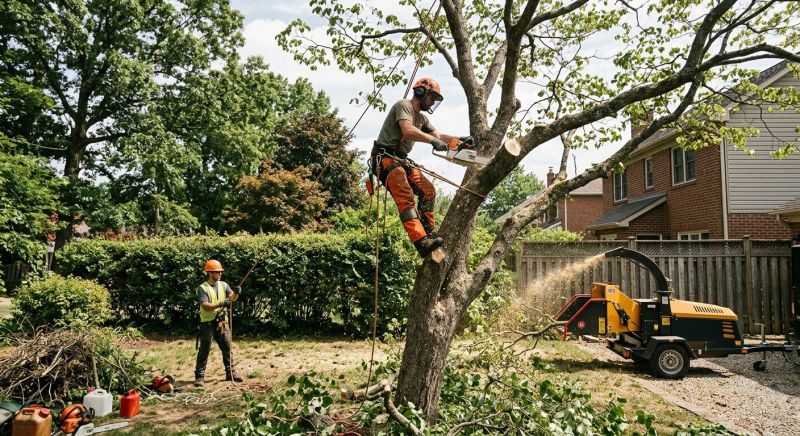
Dead tree removal services involve the safe and efficient removal of trees that are dead, dying, or pose a risk to nearby structures and landscape. These projects typically include assessing the condition of the tree, planning the safest way to remove it, and performing the removal process with appropriate equipment. Homeowners often request this service when a tree shows signs of decay, has become unstable, or is obstructing property improvements, ensuring safety and maintaining the aesthetic appeal of the landscape.
Before requesting dead tree removal, property owners should consider the location of the tree, its proximity to buildings, power lines, and other trees, as well as any potential hazards during the removal process. Understanding the extent of the work needed, such as whether stump grinding is included, can help in planning the project. It is also important to verify if permits are required for removal in specific areas and to discuss any concerns about debris cleanup or disposal options.
Many property owners in Montgomery County, PA look into Dead Tree Removal for repairs, replacements, upgrades, and appearance-related improvements.
Reasons To Remove Dead Trees
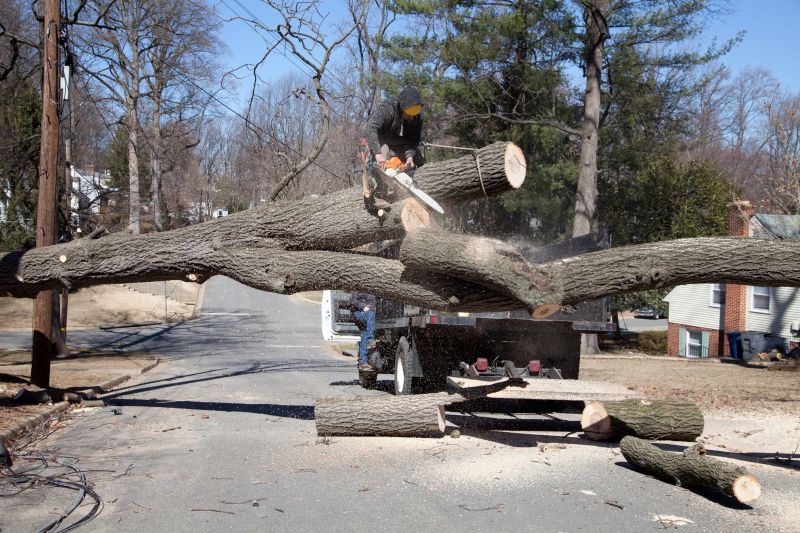
Removing dead trees can prevent potential damage to property and ensure safety around your home.
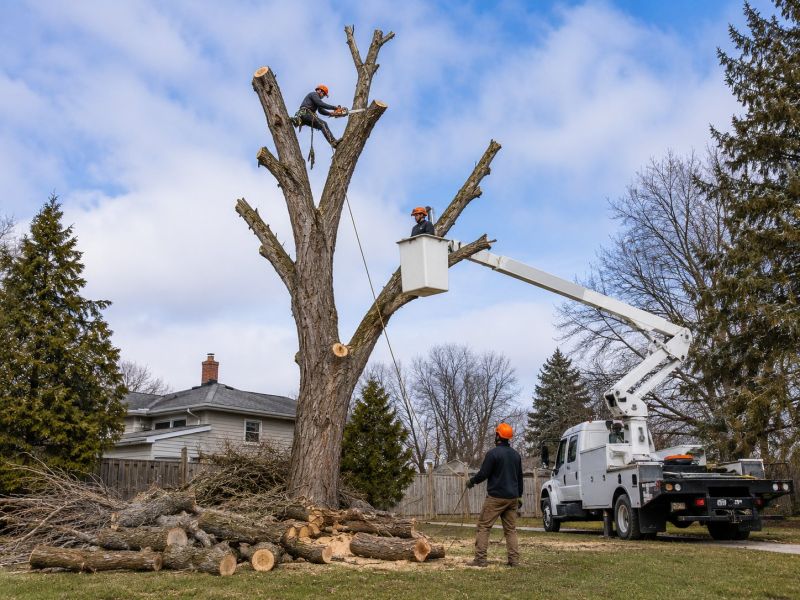
Signs You Need Dead Tree Removal
Indicators include dead branches, trunk decay, or trees that pose a risk during storms in montgomery county.
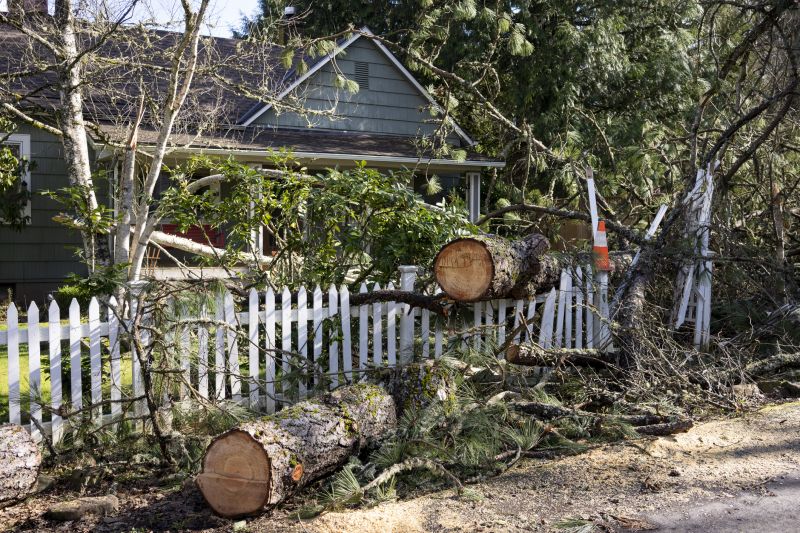
Benefits Of Professional Dead Tree Removal
Professional services help safely eliminate hazards and maintain the health of your landscape.
Dead Tree Removal in Montgomery County, PA

Dead tree removal services involve the safe and efficient removal of trees that are dead, dying, or pose a risk to nearby structures and landscape. These projects typically include assessing the condition of the tree, planning the safest way to remove it, and performing the removal process with appropriate equipment. Homeowners often request this service when a tree shows signs of decay, has become unstable, or is obstructing property improvements, ensuring safety and maintaining the aesthetic appeal of the landscape.
Before requesting dead tree removal, property owners should consider the location of the tree, its proximity to buildings, power lines, and other trees, as well as any potential hazards during the removal process. Understanding the extent of the work needed, such as whether stump grinding is included, can help in planning the project. It is also important to verify if permits are required for removal in specific areas and to discuss any concerns about debris cleanup or disposal options.
Many property owners in Montgomery County, PA look into Dead Tree Removal for repairs, replacements, upgrades, and appearance-related improvements.
Common Dead Tree Removal Jobs
Dead tree removal involves safely taking down trees that pose a risk to property or safety.
Storm-damaged trees are carefully removed after severe weather events to prevent further damage.
Overgrown trees are trimmed or removed to improve property aesthetics and prevent obstruction.
Hazardous tree removal addresses trees with signs of rot, disease, or structural instability.
Root removal services eliminate tree stumps and roots that interfere with landscaping or foundations.
Emergency dead tree removal provides quick response for trees that threaten homes or power lines.
Dead Tree Removal Questions
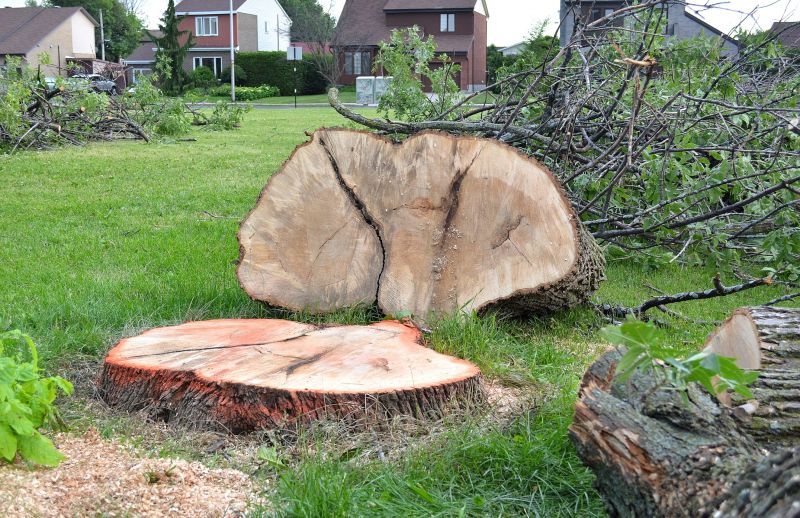
When is dead tree removal necessary? Dead trees can pose safety risks and may damage property if they fall or become unstable.
What signs indicate a tree is dead? Lack of leaves, brittle branches, and visible decay are common indicators of a dead tree.
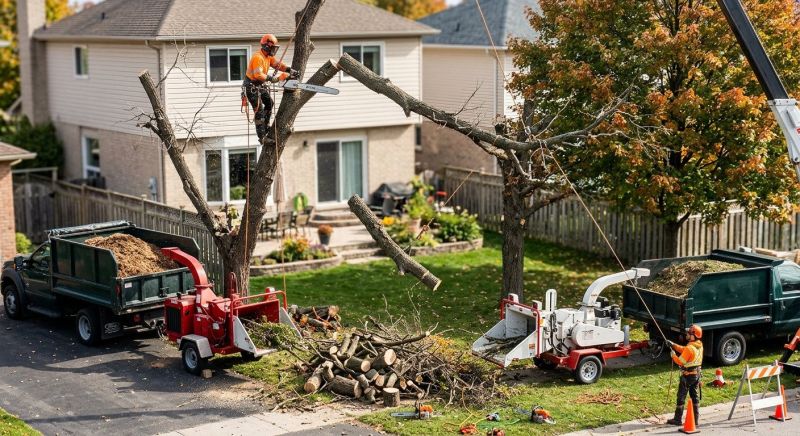
Are there any concerns with removing a dead tree? Removal may require careful planning to avoid damage to nearby structures or healthy trees.
How does dead tree removal benefit a property? Removing dead trees improves safety, enhances landscape appearance, and prevents potential property damage.
Request Dead Tree Removal in Montgomery County, PA
Use the quote form on this page to share the basics of your project and request more information for the type of work you need.